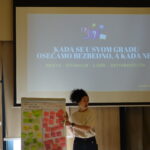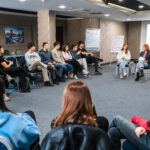

The Annual Seminar is a year-long cycle of educational activities intended for a distinguished generation of young politicians and their peers from public administration, non-governmental organizations, media, and the business sector. The main goal of the program is to enable continuous development and dialogue among democratically oriented leaders in the fields of politics and public life, who will responsibly lead the country and society toward European integration.
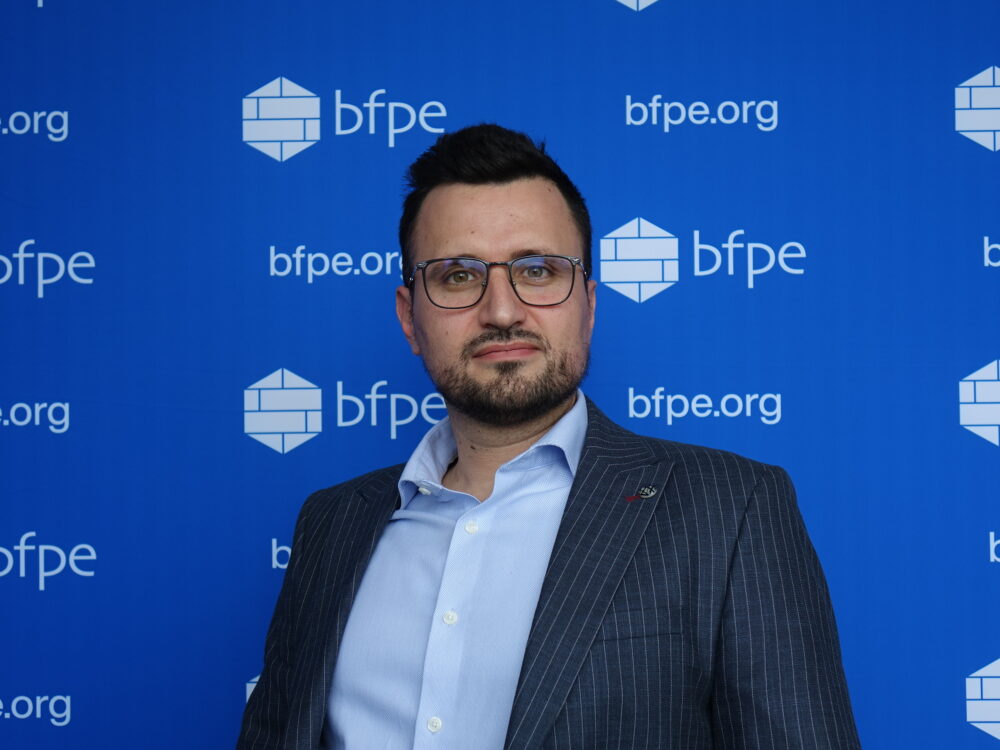
Emir Ašćerić is an architect and urban planner employed at the Urban Planning Institute of the City of Novi Pazar. He has been actively involved in the civil sector since his high school days, and later in student organizing at the University of Sarajevo, where he served as President of the Association of Architecture Students, a member of the Presidency of the Student Parliament, and part of the IAESTE BiH organization. After returning from his studies, he worked as an architect in Novi Pazar. From 2017 to 2020, he served as Assistant to the Mayor but was dismissed for criticizing the government during the pandemic. From 2020 to 2024, he was a member of the City Assembly. He is the founder and secretary of the Association of Architects and Urban Planners of Novi Pazar. He is currently pursuing a PhD at the University of Niš, focusing on sustainable urban development and environmental protection. His interests include urban planning, environmental protection, strategic planning, and local governance.
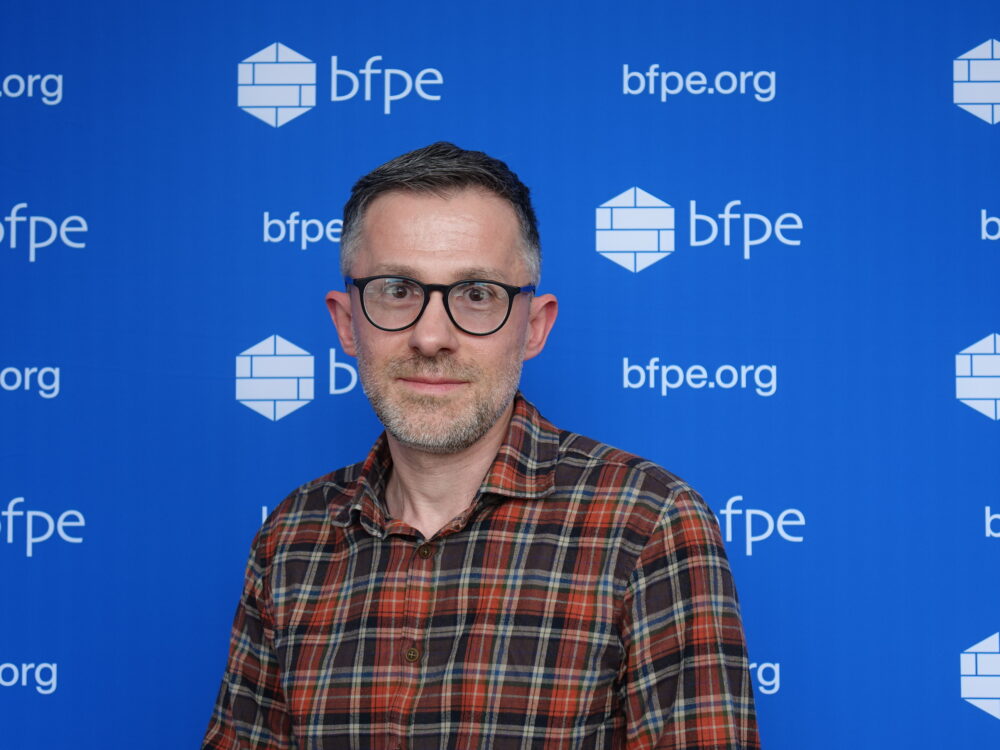
Milan Bjelica was born in 1977 in Mostar, Bosnia and Herzegovina. Since 1992, he has lived in Belgrade. He graduated from the Faculty of Electrical Engineering, where he has worked since graduation at the Department of General Electrical Engineering. He earned his degree in Telecommunications in June 2000, with an average grade of 9.52. Later that same year, he enrolled in postgraduate studies in Telecommunications. He earned his master’s degree in April 2003 and completed his Ph.D. in 2009. His professional career began in April 2000 at the public broadcasting company “Studio B.” His areas of professional interest include telecommunications networks and protocols, telecommunications measurements, information retrieval, recommendation systems, and multimedia.
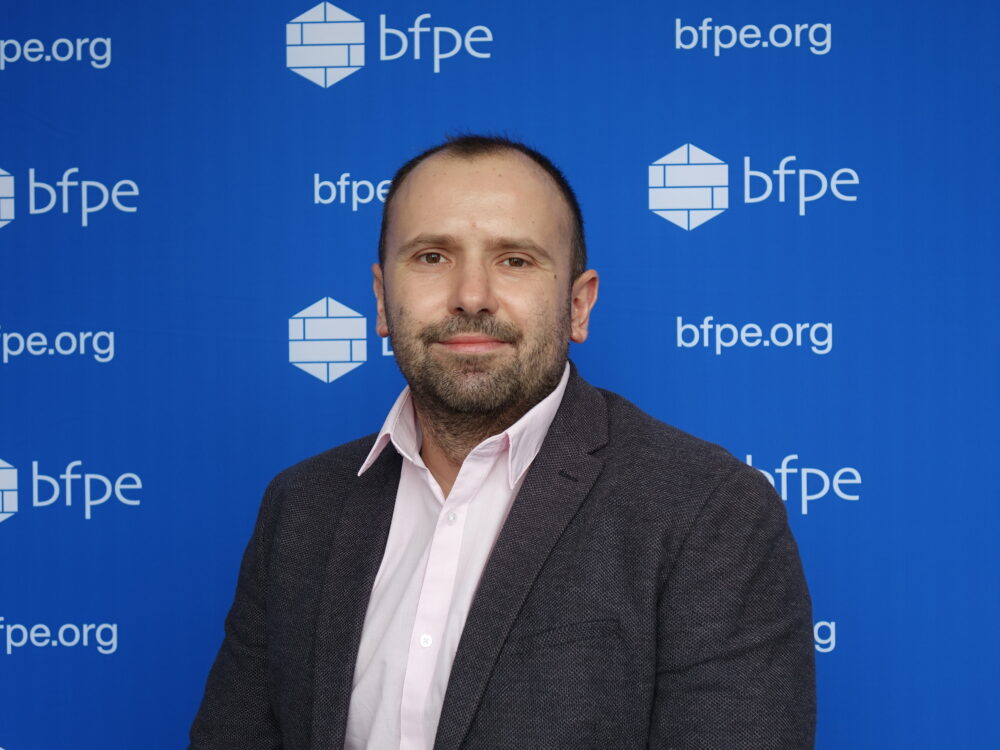
Boško Blagojević is an associate professor at the Faculty of Agriculture in Novi Sad and head of the Department of Water Management. He completed his undergraduate studies at the Faculty of Agriculture in Novi Sad. From 2017 to 2019, he completed a two-year postdoctoral training at the Swedish University of Agricultural Sciences, where he also taught at the doctoral level. His research covers hydrology, water protection, water quality, operations research, multi-criteria analysis, and behavioral decision-making. He has published over 100 scientific papers, including 28 in SCI-listed journals. He has participated in numerous national and international projects. He is the founder and director of a startup company specializing in natural resource management.
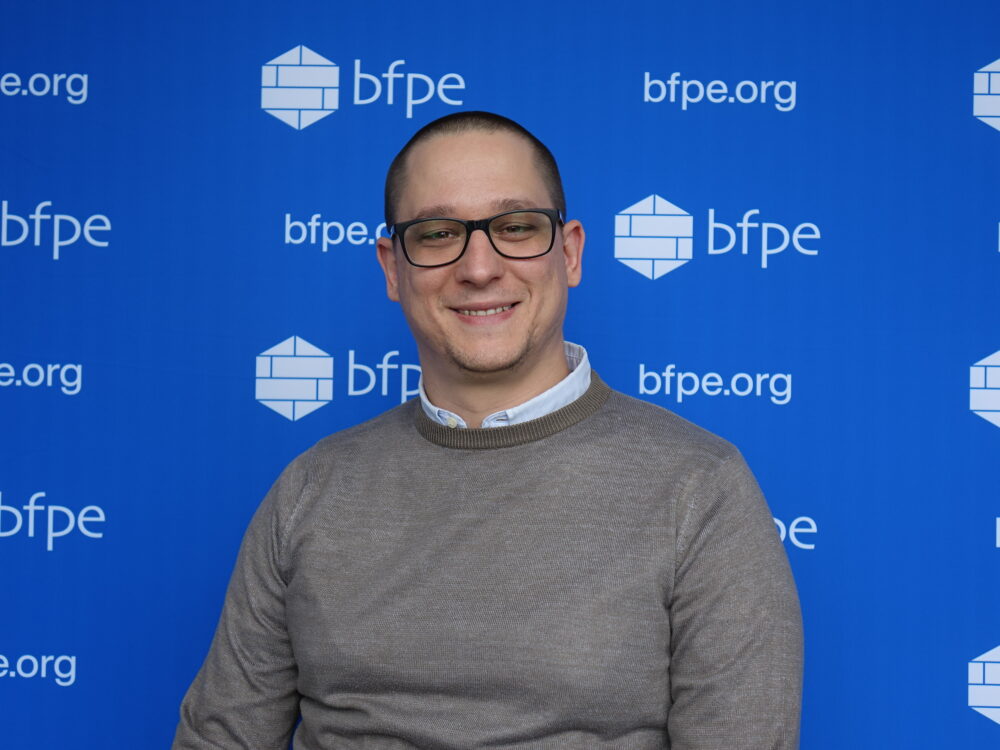
Siniša Borota completed his undergraduate studies in sociology in Novi Sad, after which he attended an interdisciplinary master’s program at the University of Sarajevo and the University of Bologna. He currently works as the Program Manager for “Green and Digital Transformation” at the Institute for Development and Innovation, a think tank organization focused on developing, advocating, and implementing economic policies. He is professionally involved in multiple projects, primarily related to the Horizon 2020 and Horizon Europe programs of the European Commission. He actively uses English and has basic knowledge of German, Italian, and Russian.
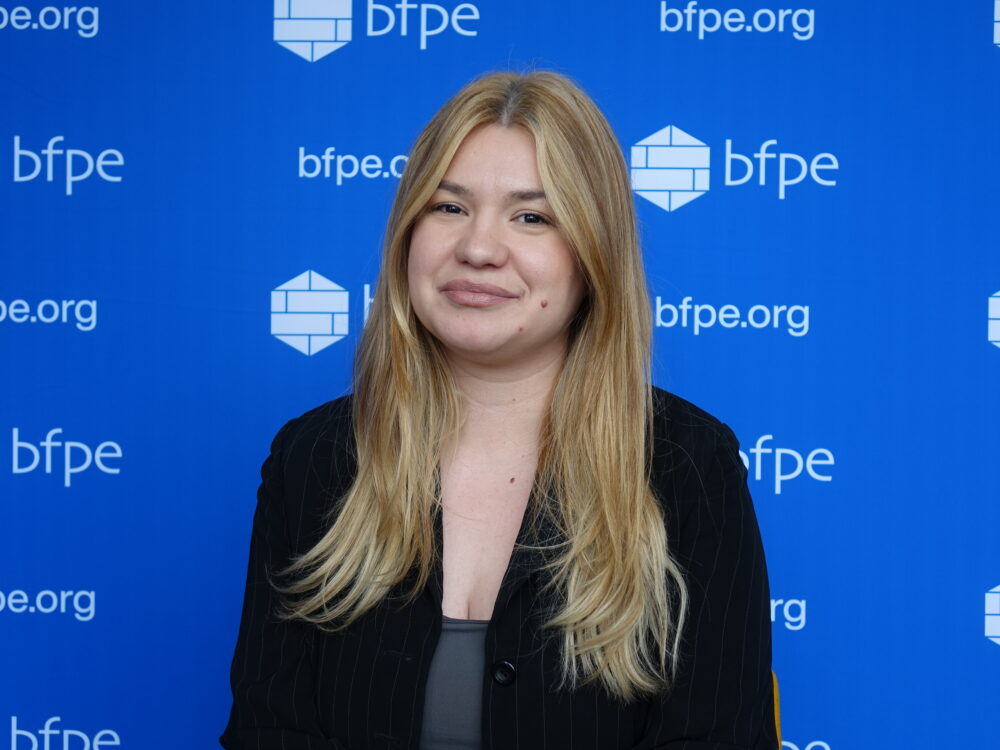
Jovana Božičković is a political scientist specialized in communications and public advocacy. After ten years of experience in the non-profit sector, where she focused on youth, sports, and education, she is currently working as an internal communications specialist at Bambi, a member of the Coca-Cola HBC group. She has participated in over 50 projects, initiatives, and public policy processes. Jovana collaborates with a wide range of organizations and institutions – from informal groups in rural areas of Serbia to international organizations such as the EU Delegation, GIZ, USAID, IFES, OSCE, RYCO, and UN agencies. She was a member of the Government’s Youth Council, as well as working groups for the Law on Youth, the Draft Law on Internships, and youth employment within the RCC framework. She developed the Youth Impact Assessment and adapted the Youth Fund tool for local governments with the support of GIZ.
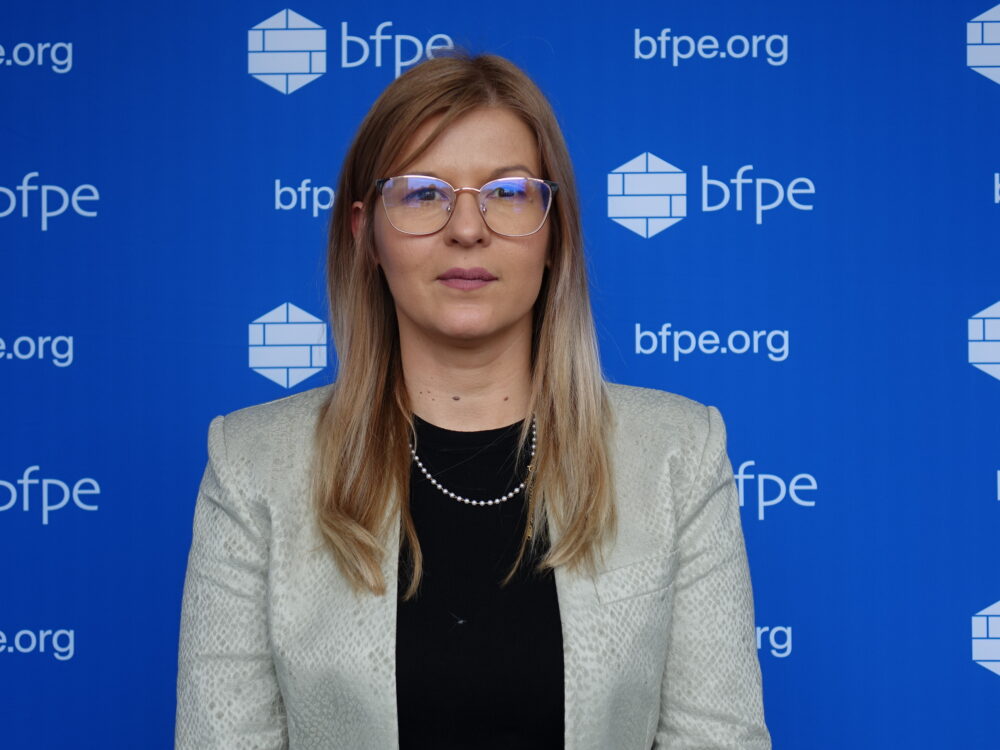
Jelena Ćirić Nikolić completed her undergraduate and master’s studies in journalism at the Faculty of Political Sciences. She has worked in television, print, and online media, as well as in marketing. Her work is dedicated to topics such as health, population policy, women’s rights, and family. She is the editor of the parenting portal Bebac. Jelena is the author of guides on bullying prevention and parenting in the digital age. She was a member of the Working Group for the Preservation and Improvement of Reproductive Health. She is currently pursuing a master’s degree in demography at the Faculty of Geography.

Nađa Greku is an expert in Roma rights, political advocacy, and cultural diplomacy. She currently serves as the Program Manager for the Western Balkans and Turkey at the European Roma Institute for Arts and Culture (ERIAC). Nađa holds a master’s degree (with honors) in International Relations from the Central European University in Vienna. She also completed a specialization in Romani Studies at CEU in Budapest. Nađa was a representative from Serbia at the Bucerius School of Global Governance in 2024. She has furthered her education at Cambridge University and completed courses at Princeton University, which include oral history, historical dialogues, and global history. She is a frequent guest and panelist at events organized by prestigious institutions such as Harvard, the University of Minnesota, and Tufts University. Her experience includes collaboration with major organizations such as the World Bank, the Regional Cooperation Council (RCC), and the University of Cambridge. Nađa co-curated the ERIAC Serbia exhibition “Combing Through Time,” which explores the hidden histories of the genocide against Roma. Currently, she is working on an analysis of the role of the Roma community in wars, focusing on security negotiations, diplomatic initiatives, and memory politics.
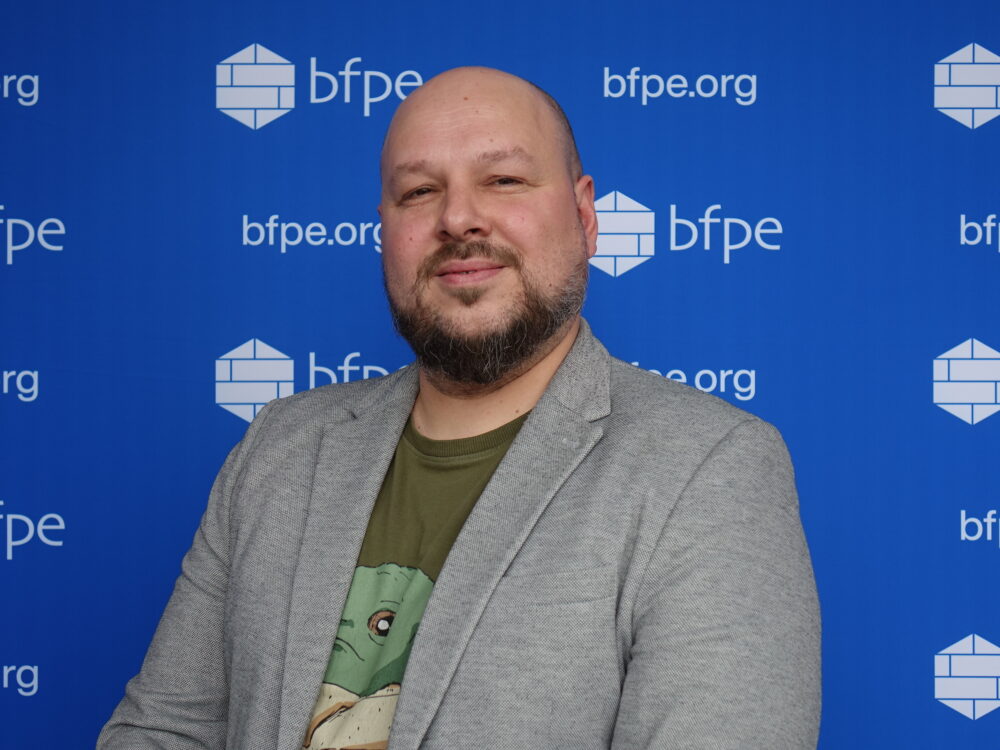
Miloš Grozdanović has 20 years of experience in the fields of law, economics, intellectual property protection, public administration, and working with startup companies. After completing a natural sciences high school, he graduated in law and then completed postgraduate studies in business economics and entrepreneurship. He is currently employed at the Niš Science and Technology Park, where he is responsible for program activities and working with startup and scale-up companies. He is a member of the Council for Science and Industry Cooperation of the Serbian Chamber of Commerce. In addition to his work in economics, he is also a successful writer. He is the author of seven novels and was awarded the prize for the best manuscript in the Serbian language in 2019. He was awarded a Charter for his contribution to the fight against corruption in 2015 and an Excellence Certificate for supporting youth entrepreneurship in 2019.
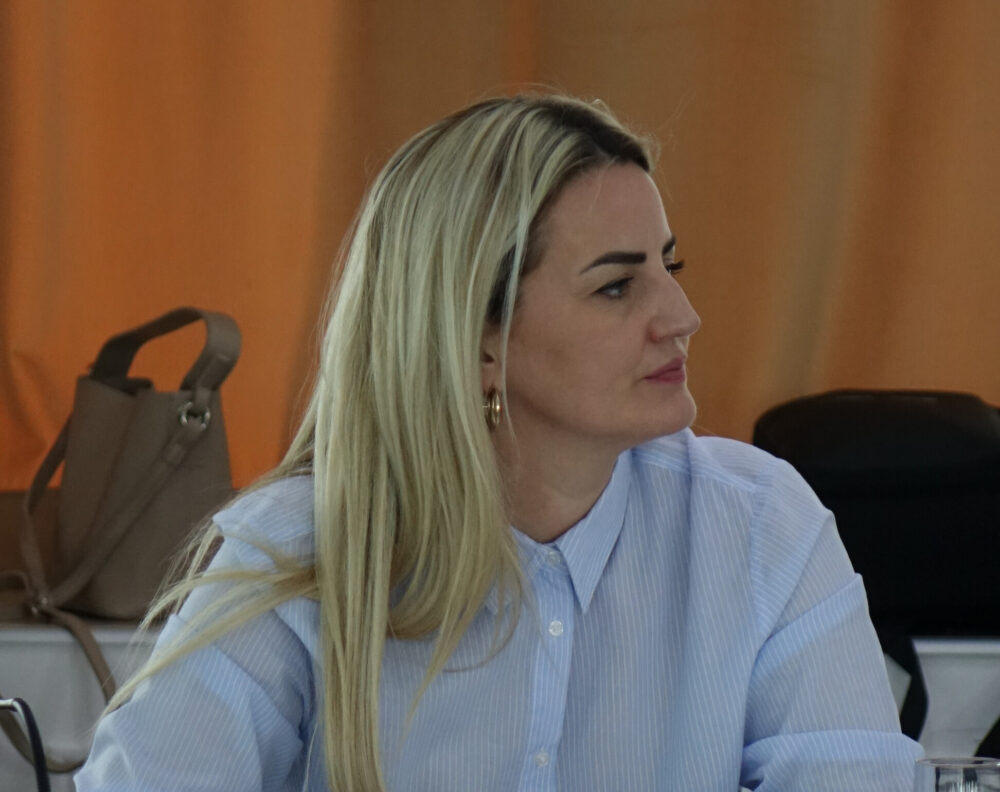
Admira Hamidović has been working in the field of culture for almost 15 years and has realized significant projects contributing to the promotion of culture and art in the region. Through her long-term engagement at the House of Culture in Prijepolje, she has organized numerous programs and initiatives that promote artistic creativity, cultural diversity, and contemporary cultural practices. She has gained informal education both in Serbia and abroad, and in her work, she is particularly dedicated to young people, minority communities, and feminism. She is currently pursuing a Master’s degree in Digital Media and Communications, researching the relationship between digital media and cultural practices, as well as the impact of digital communication on contemporary society. She is part of the Alumni generation of the BFPE Annual Seminar, where she has been enhancing her skills in public policies and social development.
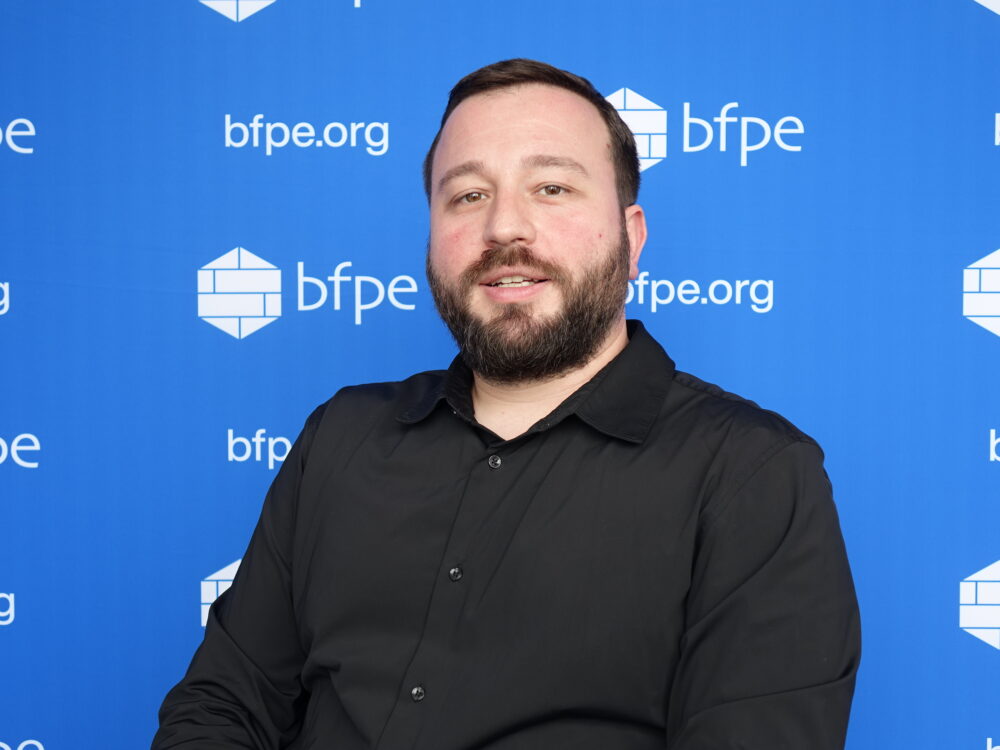
Miloš Hrkalović, born in 1989 in Belgrade, earned his bachelor’s and master’s degrees at the Faculty of Political Sciences, where he is currently pursuing a PhD. He worked at the Anti-Corruption Agency and, since 2016, has been employed at the Savski Venac Municipality, where he now serves as Head of the Department for Culture. He has been a member of several commissions, secretary of the Red Star Rugby Club, and a member of a school board. Miloš is the author of 20 academic papers and has participated in over 50 conferences. His interests include public policy, local governance, youth, the constitutional system, and the civil sector. He speaks English and Russian.
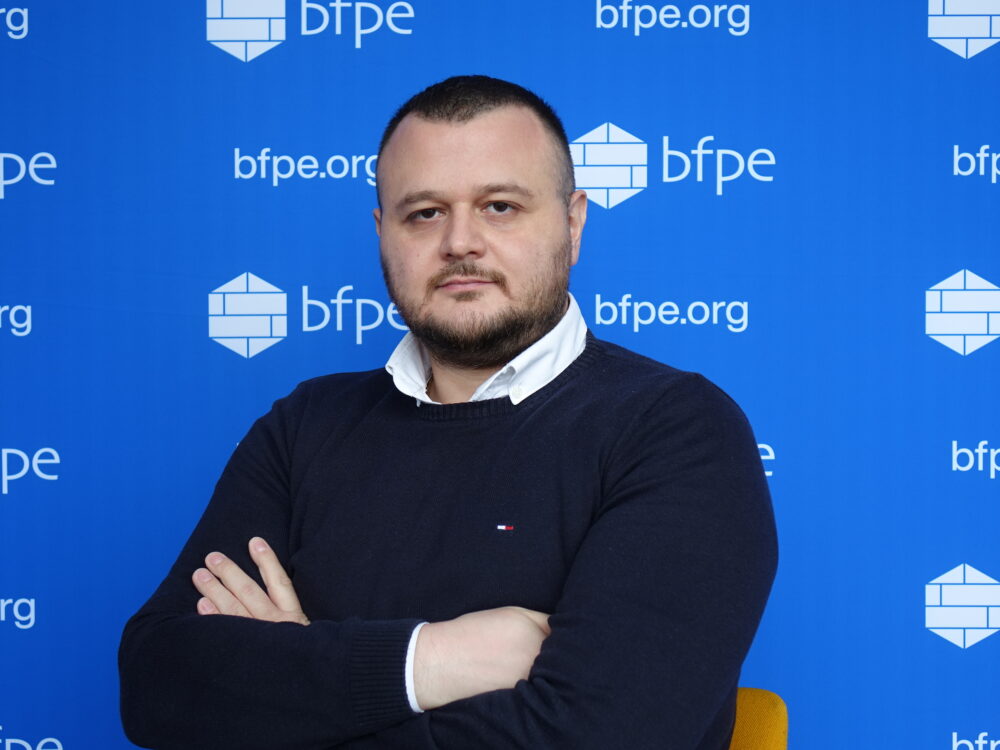
Borislav Ilić completed both his undergraduate and master’s studies at the Faculty of Political Sciences, University of Belgrade, majoring in International Relations. He also graduated from the Diplomatic Academy of the Ministry of Foreign Affairs. He has worked at the Ministry of Finance, Customs Administration, as the Head of the International Cooperation Group. He currently serves as a diplomat at the Ministry of Foreign Affairs. He was the liaison officer of the Customs Administration within China’s “Belt and Road” Initiative and a member of the Working Group for the implementation of the Framework Agreement among the customs administrations of Greece, China, Hungary, North Macedonia, and Serbia.
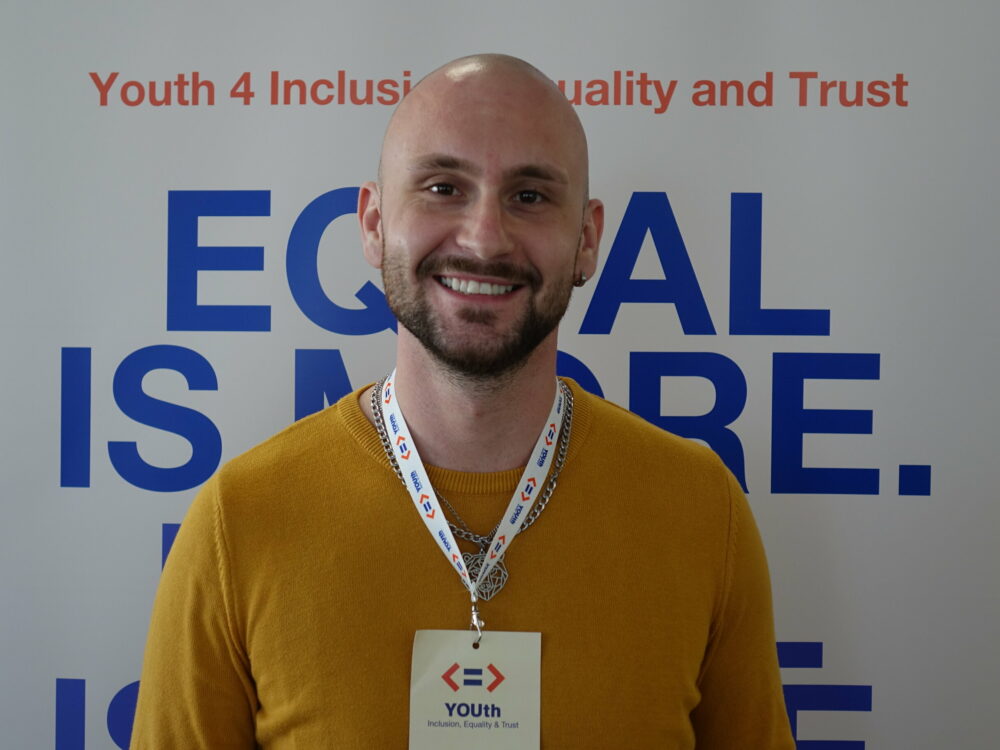
Dušan Jakovljević is an engineer and project manager specializing in renewable energy sources, including solar, wind, and hydro technologies. He has experience working on international sustainable development projects and implementing ESG strategies. Throughout his career, Dušan has focused on strategic planning and managing projects that aim for sustainability in business operations. His work involves collaborating with teams from different countries and working on technologies for carbon capture and storage, as well as projects using blue hydrogen. Dušan is a committed team player and continually strives to improve in the latest technological advancements in his field.
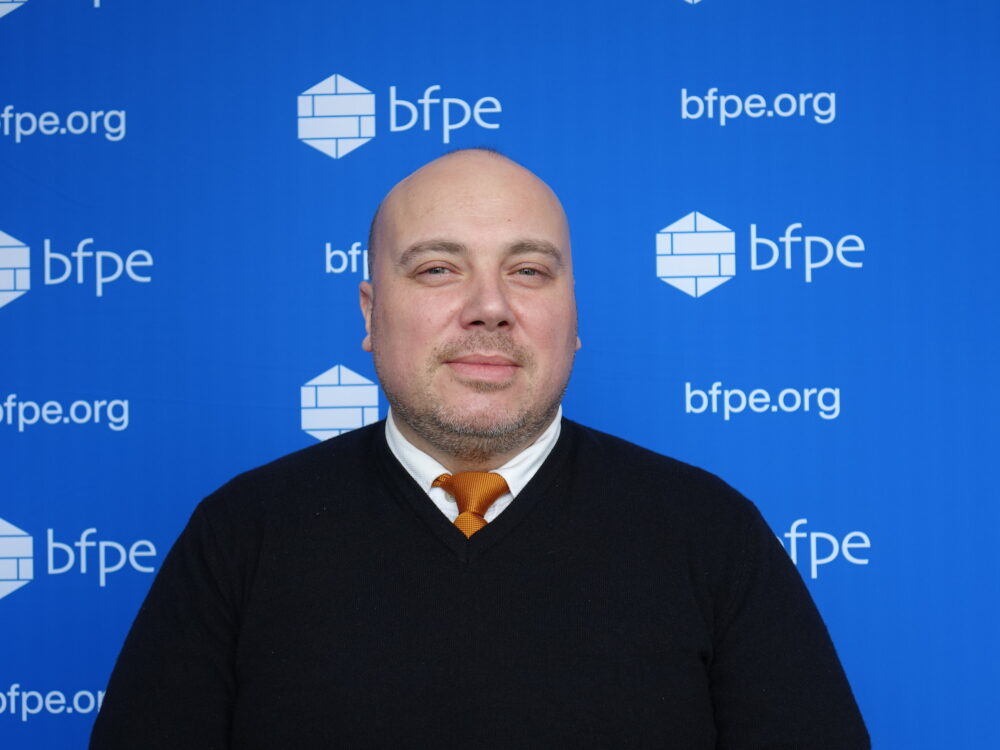
Aleksandar Jocić, 41, from Niš, holds a Master’s degree in Energy Efficiency and has been a politician (socialist) since 2006. He has extensive experience in the energy sector and local government, where he has held various positions in the organization of cultural events, legislative and executive powers, and the management of public utility companies, schools, and universities. He constantly seeks opportunities to improve and is not afraid to ask when something is unclear. He is a team player and always strives to be surrounded by people who have knowledge and skills that he may not possess because a good leader doesn’t know everything, but knows how to assemble a team capable of tackling various problems. When not working, he takes every opportunity to travel, spend time with loved ones, go to the gym, cook, or simply relax with a good book or movie.
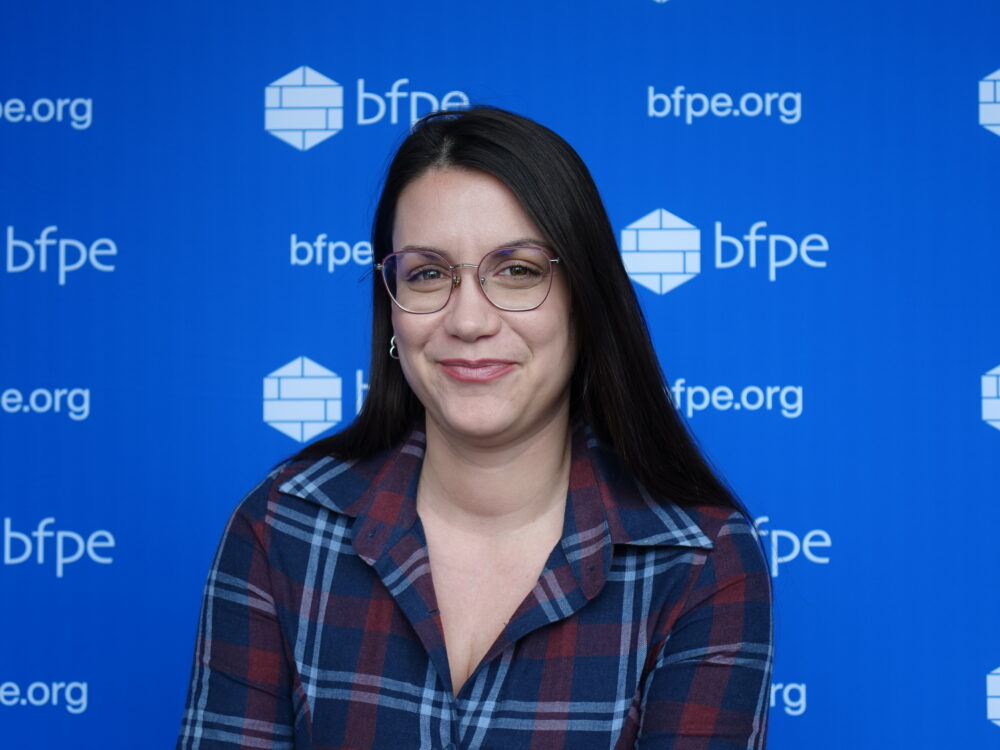
Aleksandra Lazevski is an assistant professor at the Faculty of Economics, Finance and Administration (FEFA), where she teaches courses such as Public Finance, Applied Research, Green and Digital Transformation, and European Integration. She completed her undergraduate studies in Economics and her master’s degree in Digital Transformation at FEFA, and is currently pursuing a PhD. Aleksandra is currently engaged as a researcher on several projects in the fields of green policies, education, and social policy, funded by the European Commission (Horizon, Erasmus+, Jean Monnet), UNICEF, and USAID. As a lecturer and mentor, she also takes part in the implementation of the course “Democracy: From Theory to Practice,” in cooperation with the International Foundation for Electoral Systems, aimed at empowering young people for civic activism and understanding democratic societies.
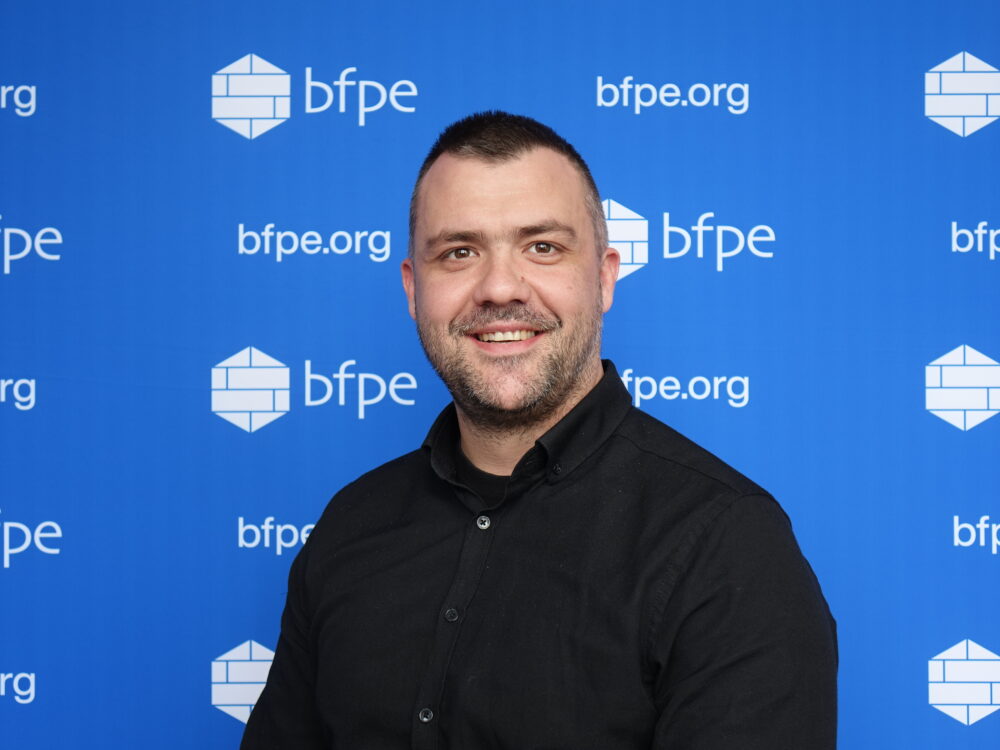
Đorđe Marić was born in 1987 in Užice. After completing his undergraduate and master’s studies at the Faculty of Forestry in Belgrade, he became an expert in forest management. He is currently the head of the Forest Management Planning Department at JP “Srbijašume” and the president of the National Association of Forest Owners “DendroSrbija.” He also works as a project developer and manager and has been an accredited lecturer for environmental protection since 2021. Outside his professional world, he is active in the civil sector, having been an international secretary of the Student Union of Serbia and a delegate in the European Students’ Union.
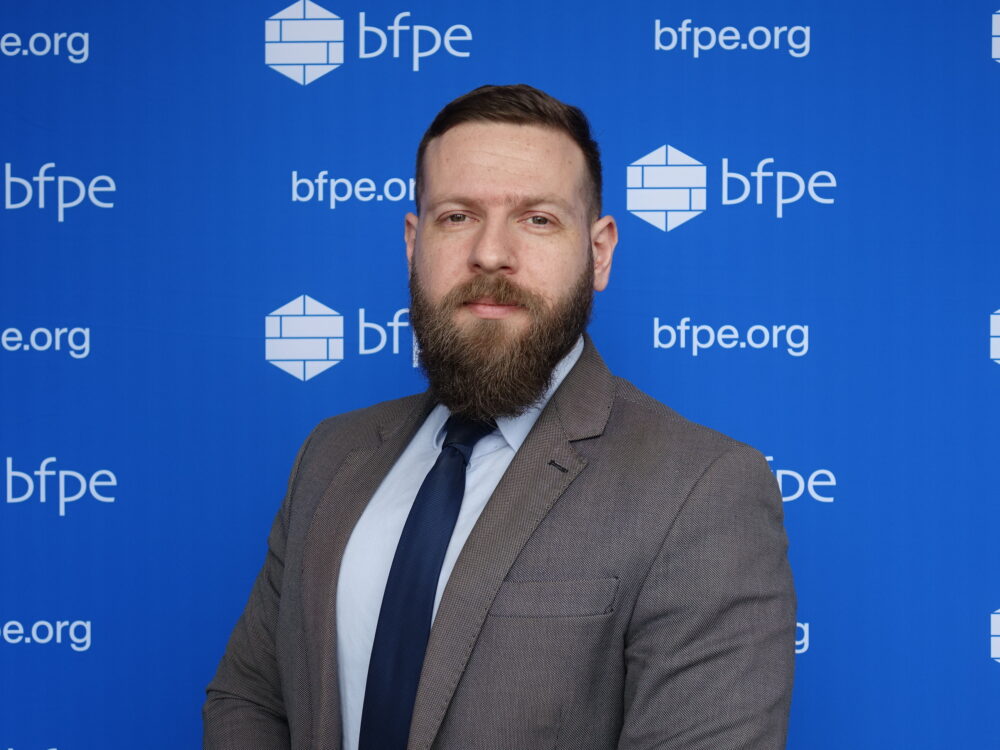
Aleksandar Mijailović is a lawyer from Šabac, as well as a civic and political activist. He founded his own law office in 2020 and led the legal team of the political party “Zajedno” during the local elections in Šabac, which were marked by numerous irregularities and criminal offenses. He has actively participated in every election in Serbia since 2017. As an expert in electoral law, he has also taken part in electoral processes in neighboring countries. Through youth organizations he is involved with, he has organized numerous humanitarian and environmental actions, youth opinion surveys, panels, workshops, and debates aimed at developing young people’s knowledge and skills. He also organized and implemented the project “Youth for the Local Community” and is currently leading a series of debates titled “Dialogue, Second Attempt.” As a lawyer, he believes that the legal profession is the last line of defense for citizens against the state and that every individual deserves proper legal assistance.
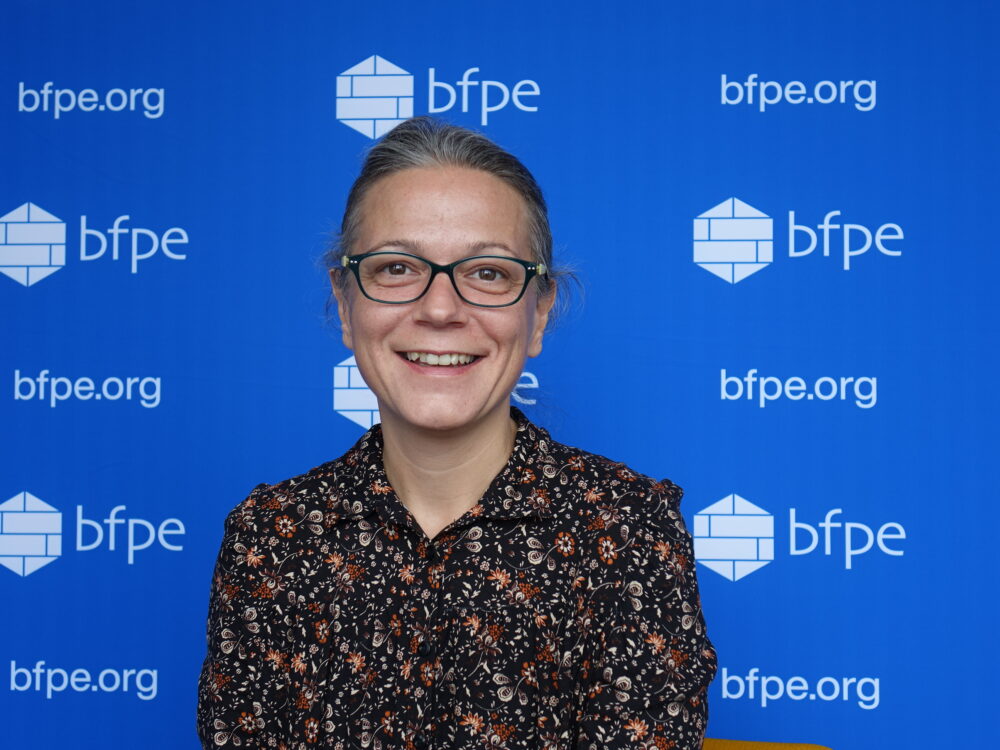
Sanja Milosavljević is a mentor, trainer, educator, and facilitator with over 10 years of experience in adult education and mentoring startup companies. Her area of expertise is empowering vulnerable and marginalized groups, business idea development, entrepreneurship, marketing and digital marketing, sales, new product development, and logistics. She applies design thinking and system thinking methodologies, circular economy methodology, and NLP methodology in her work.She participated in the development of the competency framework and as a trainer in the EU project – Open School for Rural Households and in the development of the mentoring program “New Face of Women from the Village” in Serbia. She collaborates with Caritas of the Archdiocese of Belgrade as a trainer, educator, and mentor.
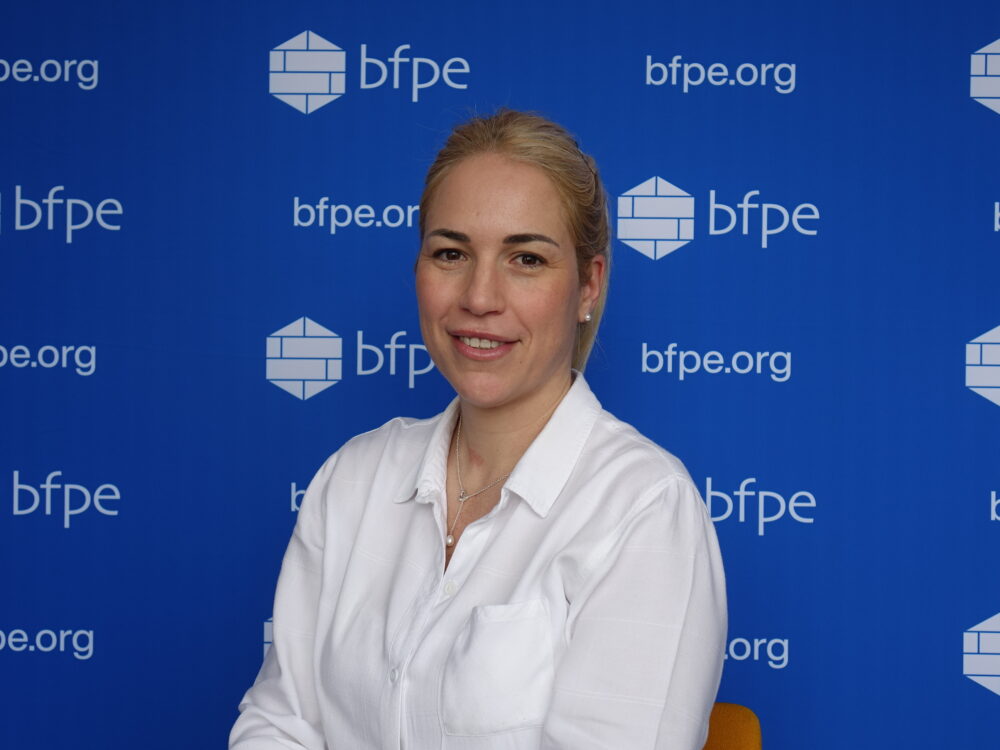
Bojana Milutinović is an experienced leader in operational management with over 15 years of experience in international corporations. She holds two master’s degrees—one in Operational Management and Production Systems from the University of Nottingham, and another in Industrial Engineering and Management from the University of Novi Sad. She specializes in process management for medium and large corporations, LEAN methodologies, risk management, and business transformation aimed at achieving optimized operations based on clear responsibilities and processes. Her extensive professional background includes leadership positions at BP (British Petroleum), KBR, NIS Gazprom Neft, and other companies.
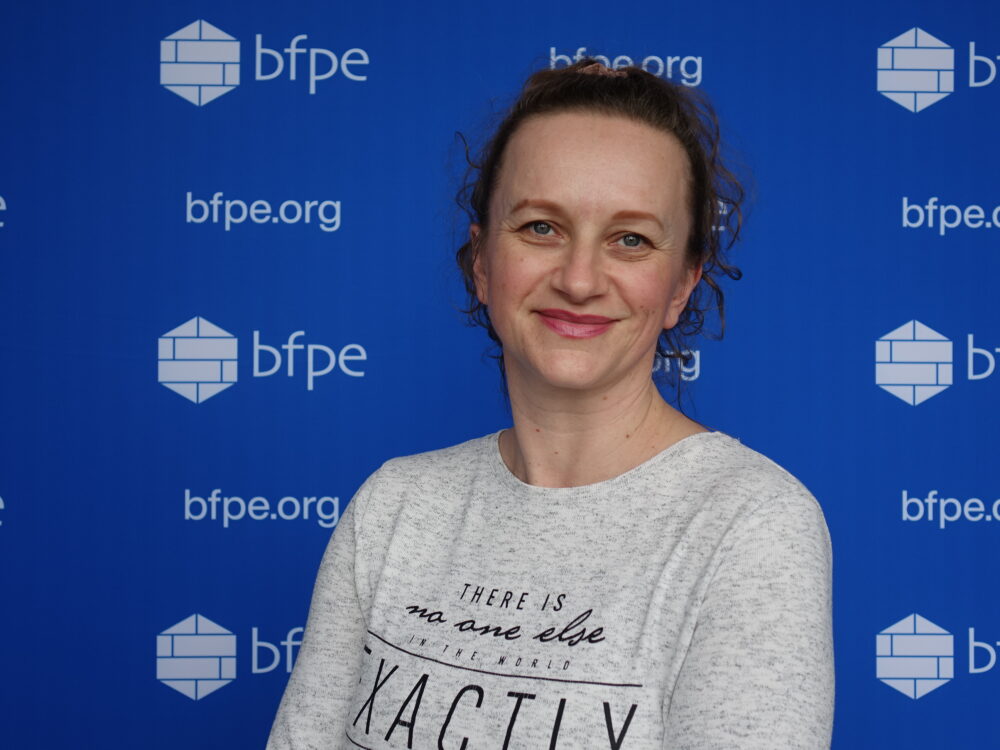
Marina Nikolić was born on January 28, 1982, in Požarevac. She graduated from the Faculty of Philosophy in Novi Sad, Department of Serbian Language and Literature. She was a scholarship holder of the Kingdom of Norway as one of the top 500 students in Serbia. She completed postgraduate studies at the Faculty of Philology in Belgrade, where she obtained her master’s degree in 2008. During her postgraduate studies (2005–2008), she was a scholarship holder of the Ministry of Science of the Republic of Serbia. In 2012, she defended her doctoral thesis at the Faculty of Philology in Belgrade. Since 2008, she has been working at the Institute for the Serbian Language of the Serbian Academy of Sciences and Arts (SANU), and since 2023, she has held the title of Research Advisor, the highest rank. In 2020, she became the head of the Department of Standard Language. In 2014, she established her employment at the University of Priština with a temporary seat in Kosovska Mitrovica, at the Faculty of Philosophy, where she was appointed Full Professor in 2023. She is a member of the Committee for the Standardization of the Serbian Language and the Matica Srpska.
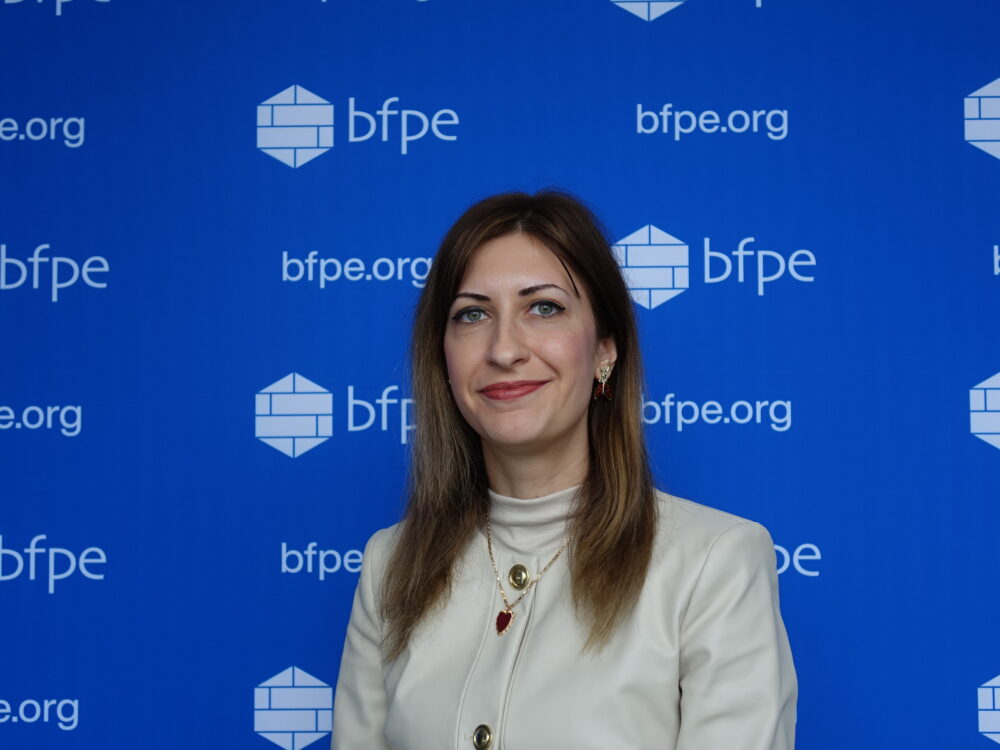
Ivana Plavšić was born in 1992 in Valjevo. She completed her high school education at “Branislav Petronijević” Gymnasium in Ub in 2011. In 2015, she graduated from the Faculty of Political Sciences at the University of Belgrade with a degree in International Relations. She is currently pursuing a Master’s degree in International Studies, with a focus on U.S. Studies at the same faculty.Ivana has gained experience in management, telecommunications, and international military cooperation. Since January 2023, she has been employed at the Directorate for International Military Cooperation in the Defense Policy Sector of the Ministry of Defense of the Republic of Serbia, initially as a reference officer for bilateral military cooperation in the Asia, Australia, and Pacific Group, and since June 2024, she has held the same position within the Neighboring Countries Group.
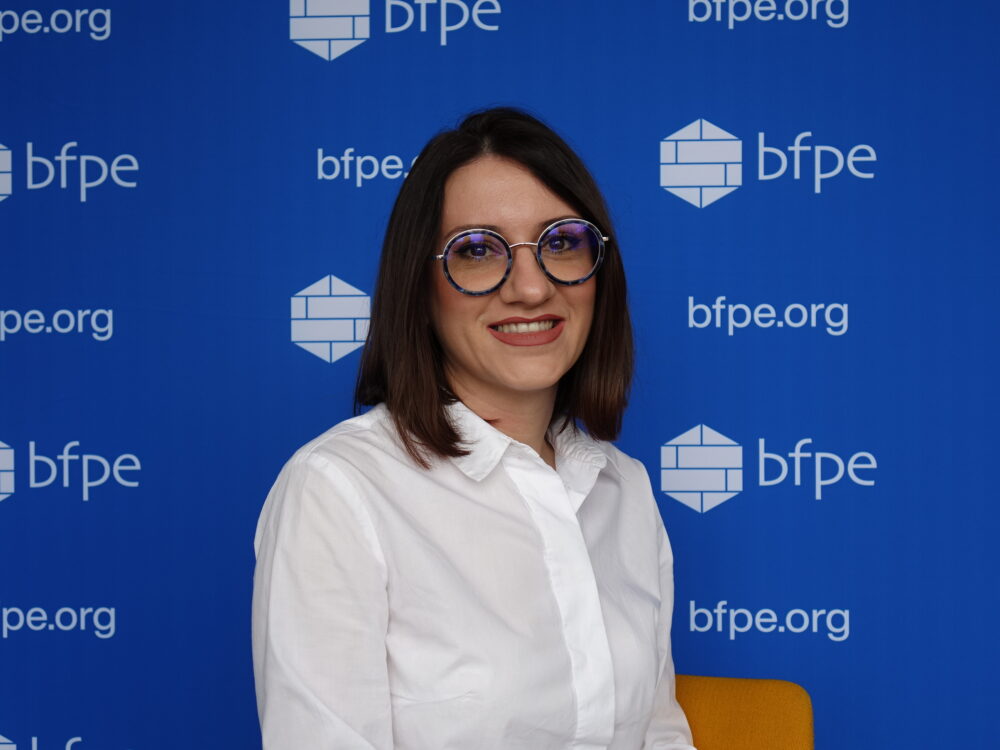
Jovana Rančić is a journalist and communication specialist. She is currently pursuing doctoral studies in the Department of Culture and Media. Her research interests focus on media, gender equality issues, particularly those related to gender-based violence. As part of her academic development, she has published several scientific papers. She has conducted research on media reporting on gender-based violence. She is the co-editor of an edition of a journal focused on women’s rights and is currently working on a new edition. In previous years, she actively worked on complementing her formal education with non-formal education. She has attended numerous programs, educational seminars, and courses that cover topics of interest to her, mainly related to media, media literacy, gender-based violence, human rights, social engagement and democracy, women’s political participation, and others.
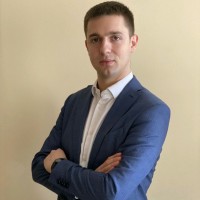
Stefan Stamenić is an expert in international project management with several years of experience. He currently works as a project manager and internal control coordinator at the Ministry of Labour, Employment, Veteran and Social Affairs, where he is involved in implementing programs funded by the EU, the Federal Republic of Germany, and other international donors. He has extensive experience in the preparation and implementation of projects focused on social inclusion, social activation, social dialogue, and strengthening social infrastructure. Stefan has also worked as a consultant for the World Wide Fund for Nature (WWF) on the “Restoriver” and “Forest Connect” projects. He holds a law degree from the University of Belgrade and is committed to fostering cooperation between the public sector, civil society, and international partners to develop sustainable and inclusive social policies.
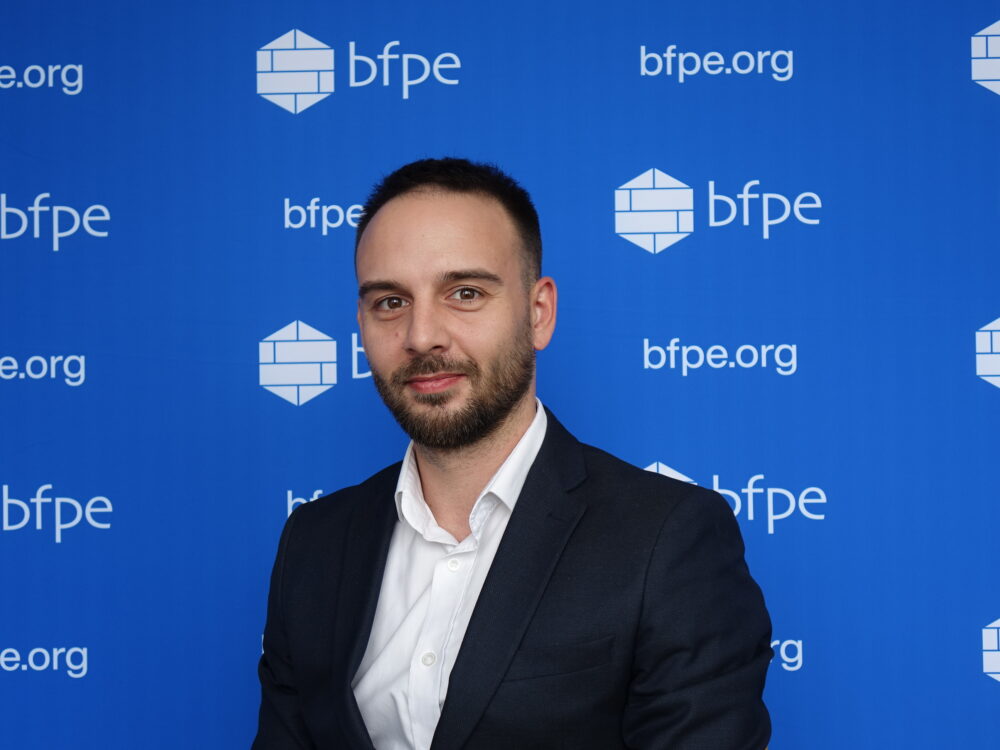
Strahinja Tirnanić is an entrepreneur, business mentor, advisor, and business development expert with extensive international experience. He is the founder and director of Proman Consulting, an agency specialized in B2B development and lead generation, through which he has achieved significant business results for clients, including companies from the Fortune 500 list in the USA, Ireland, Switzerland, Slovenia, Poland, and Japan. He is also a mentor within the YTILI program of the U.S. State Department, supporting European entrepreneurs in growth and global market connectivity. His experience includes work with various accelerators, companies, and innovative projects. As a speaker and lecturer at international conferences, Strahinja continuously shares his knowledge on business development and sales strategies, helping companies grow and conquer new markets. His latest startup focuses on developing artificial intelligence in B2B sales processes, making technology and business process development his greatest passion.
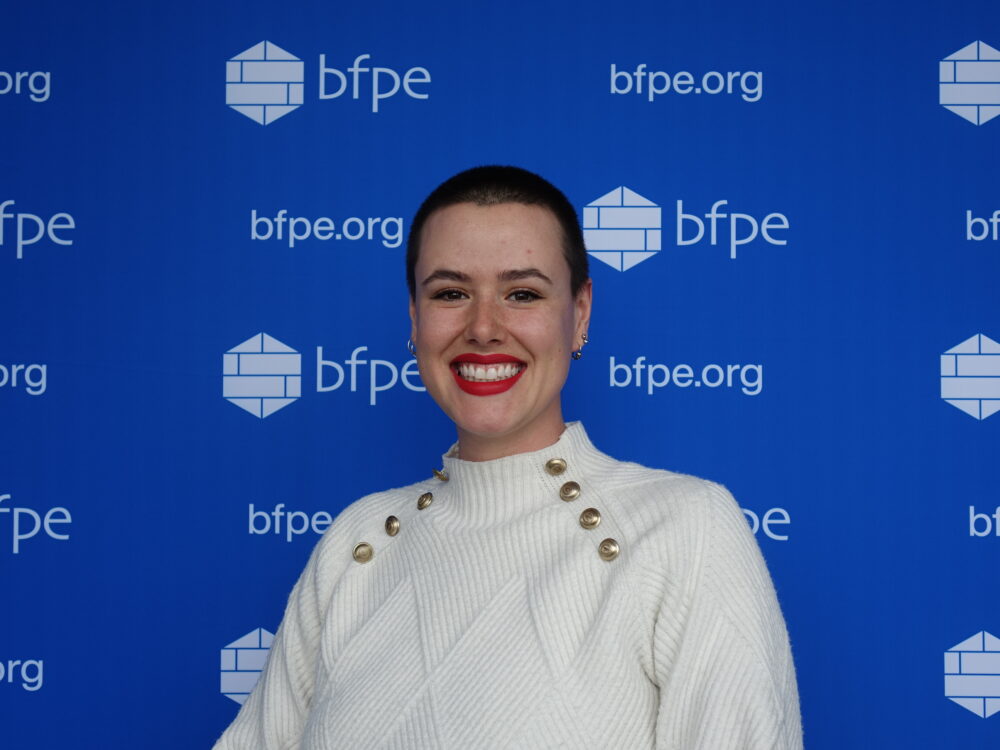
Katarina Trnjaković considers herself an activist and public relations expert, and she has recently worked in the sports industry. She graduated in Sports Management from the Faculty of Sport at the University “Union – Nikola Tesla” and is currently pursuing her master’s degree in Management in Tourism and Recreation at the same faculty. At heart, she is a “professional” volunteer, and volunteering at numerous sports, cultural, and political events has enabled her to travel around the world. Katarina is a strong advocate of non-formal education. Thanks to her dedication to non-formal education, she became a United Nations trainer for political leadership. She has worked as a sports journalist, PR manager at a university, in several major sports clubs, and is occasionally engaged as a media coordinator for the International Basketball Federation (FIBA). She speaks English fluently and has knowledge of Spanish and Slavic languages.
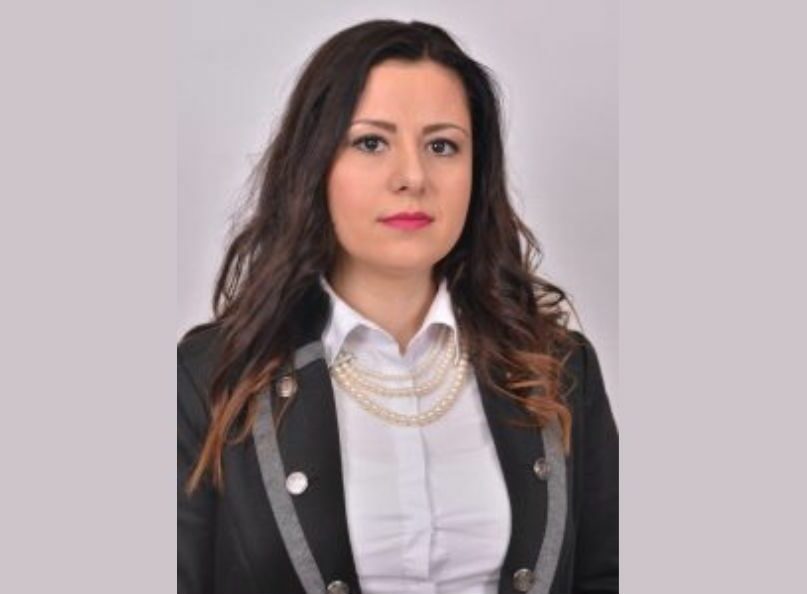
Jelena Vukčević earned her doctorate on the topic “Management of Cultural Institutions in the Function of Cultural Tourism Development.” Over the past decade, she has been actively involved in creative processes, cultural policy development, management of cultural heritage, the cultural industry, preservation and interpretation of cultural heritage, connecting it with tourism, storytelling, working with local communities, and researching the potential for cultural tourism development in economically underdeveloped areas of the Republic of Serbia. She is the author of more than 30 scientific papers and 7 monographic studies on various forms of heritage, as well as historical, ethnographic, and cultural-tourism topics. Jelena serves as president of the Historical Section of the Museum Society of Serbia and is a member of ICOM and the Balkan Museum Network. She is currently employed as a museum activity organizer at the Museum Collection of the National University of Trstenik and holds the title of curator.