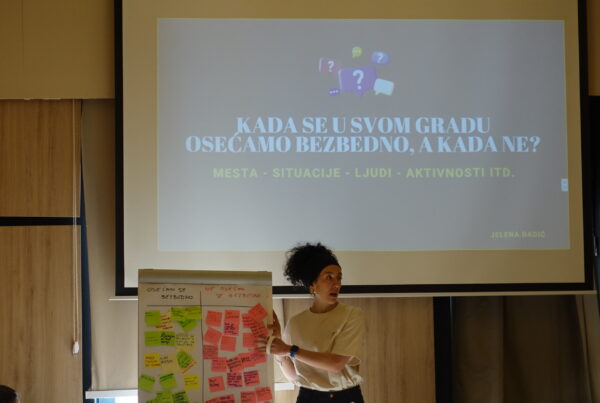

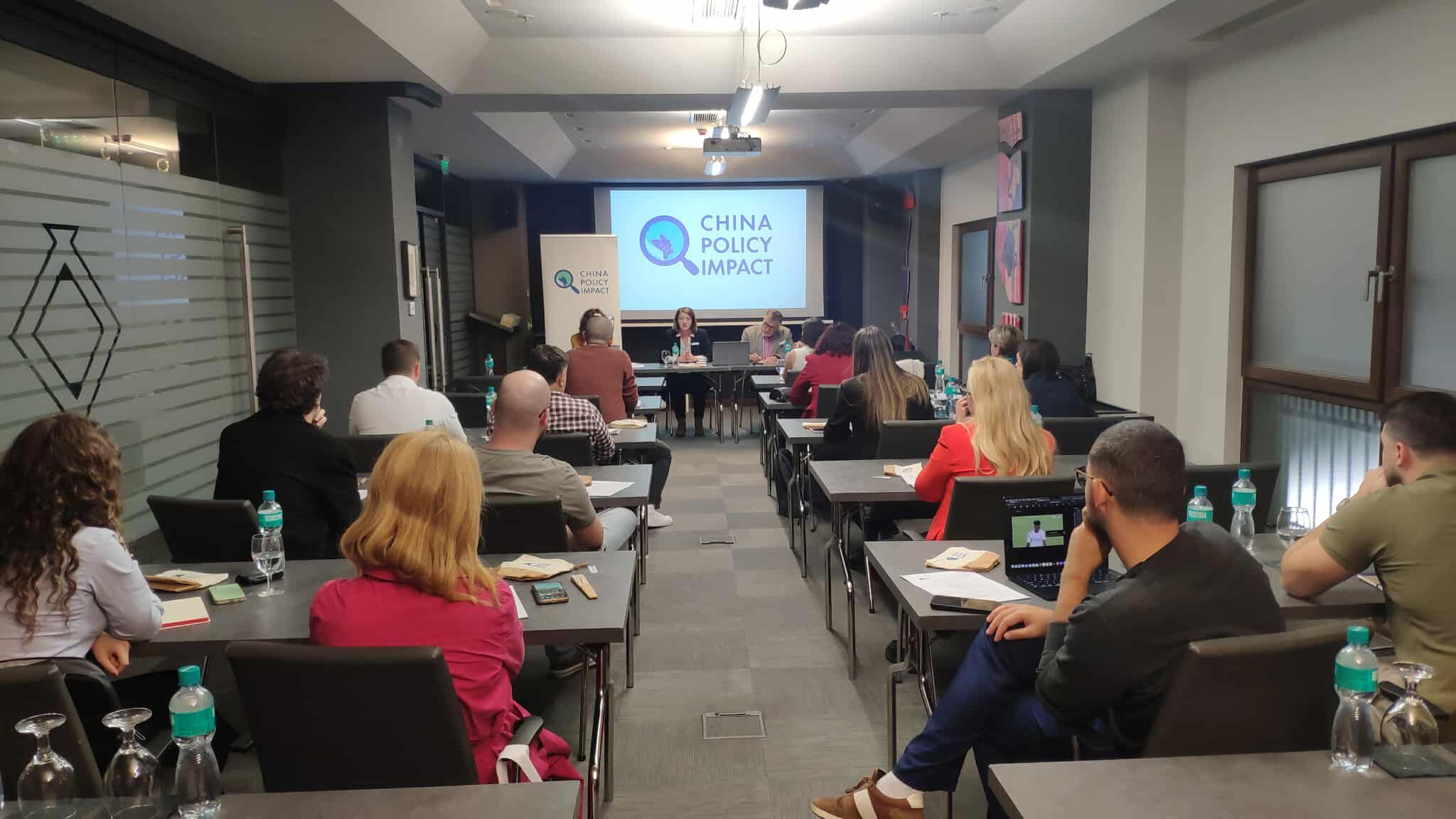

As part of the regional project China Policy Impact: Countering China’s Expanding Footprint in South-East Europe, a workshop was held this week, bringing together young participants from across the Western Balkans. Through dynamic discussions, interactive sessions, and simulations, participants explored China’s growing influence in the region — ranging from trade and infrastructure to public perceptions and societal impacts.
The workshop focused on examining China’s political, economic, and societal footprint in the Western Balkans. Participants discussed economic and trade relations shaped by the Belt and Road Initiative, as well as the opportunities and challenges associated with Chinese investments and infrastructure projects. Particular attention was given to the long-term implications of these developments for national policymaking, transparency, and institutional resilience across the region.
The China Policy Impact project builds on the successes of a previous initiative funded by the National Endowment for Democracy (NED) and aims to strengthen the capacity of Western Balkan countries to effectively respond to China’s expanding presence. By enhancing policymaking processes, fostering civil society engagement, and promoting transparency and oversight, the project seeks to mitigate risks related to external influence while supporting sustainable, evidence-based policies.
Over a 24-month implementation period, the project is coordinated by ESTIMA in close cooperation with experienced regional partners: AIIS (Albania), Transparency International BiH (Bosnia and Herzegovina), CEMI (Montenegro), and Foundation BFPE (Serbia). Through a strategic and coordinated approach, the initiative contributes to strengthening institutional resilience, accountable governance, and a more informed and proactive policy environment across the Western Balkans.